A window can appear closed while still allowing a surprising amount of outdoor sound into a room. Noise often travels through the same small gaps that admit air, dust, or water. Finding those paths first can prevent unnecessary spending and make quotations easier to compare.
Window noise leakage in Malaysia is commonly noticed near busy roads, construction areas, shops, schools, and shared condominium facilities. The source matters, but so does the window’s age, opening style, frame condition, and the quality of its original installation.
Start by listening around the opening
When the outside noise is steady, move slowly around the window and compare the sound near the glass, frame edges, opening joints, and surrounding wall. A clear increase at one point may indicate a gap. This simple check is not an acoustic test, but it helps identify areas for closer inspection.
Look for daylight through joints, loose trim, hardened seals, damaged sealant, or a sash that does not sit evenly. Dust marks near a gap can also suggest air movement. Do not dismantle hardware or lean outside to inspect high-rise windows; ask an appropriate contractor where access is unsafe.
Worn seals and poor contact
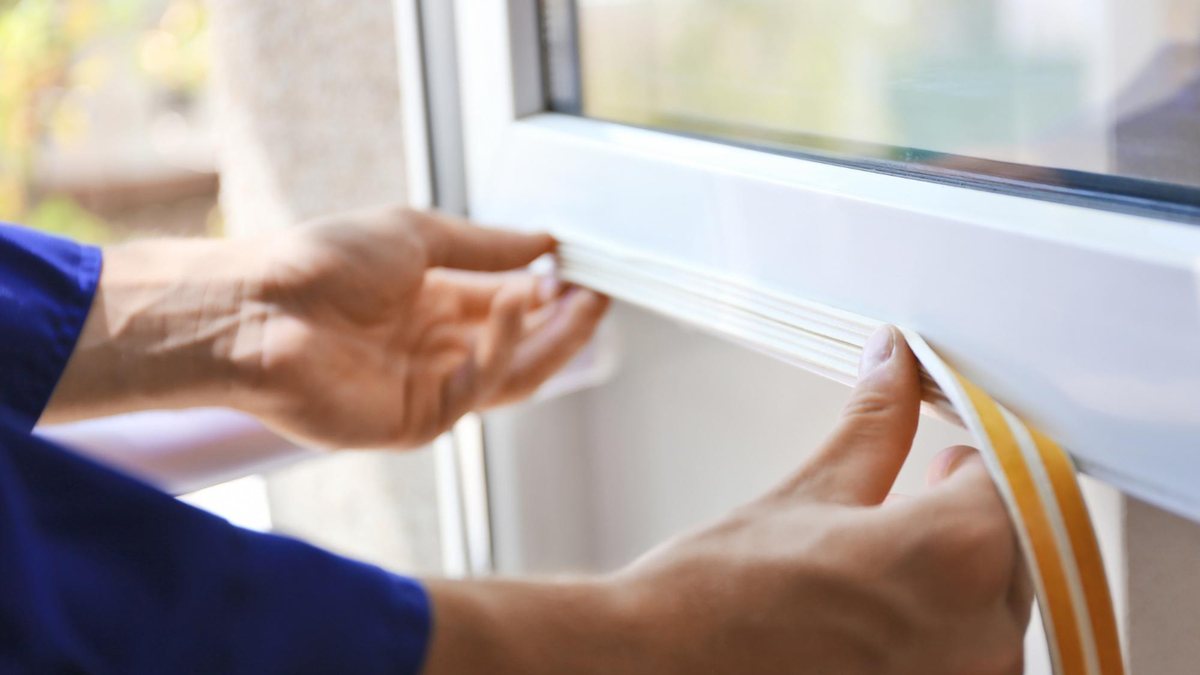
Casement and awning windows generally rely on compression seals. When the handle closes, the sash should press evenly against the gasket. Age, heat, dirt, paint, or misaligned hardware can prevent full contact. Replacing a gasket may help, but its profile and thickness must suit the frame. A seal that is too thick can make the window difficult to lock.
Sliding windows use tracks, brush seals, and overlapping meeting sections. Because the panels need clearance to move, they can be more challenging to make airtight. Worn brushes, loose panels, or poor alignment may create a direct sound path. Cleaning the track and checking rollers may improve closure, although severe leakage can require a larger repair or system change.
Gaps between frame and wall
The perimeter joint is easy to overlook because decorative trim or sealant can hide it. If the space behind the frame was not properly filled and sealed, sound may travel around the window rather than through it. Cracked exterior sealant can also allow water entry, so this area should be assessed carefully.
A surface bead alone may not solve a deeper void. Ask how the installer will prepare, fill, and finish the joint. Any repair should also preserve drainage and weather protection. The acoustic window installation checklist explains why alignment and perimeter treatment need to be considered together.
Do not block drainage or ventilation blindly
Small openings in a window may have a purpose. Weep holes allow collected water to leave the frame, while some homes rely on ventilation openings for airflow. Blocking these areas without understanding the design can cause water or indoor air problems.
Temporary tape may help an installer investigate whether a joint is contributing to noise, but it should not become a permanent treatment over drainage paths. A suitable solution must balance noise reduction with rain management, ventilation, safe operation, and building requirements.
When repair may be enough
Maintenance can make sense when the glass and frame are suitable but seals, adjustment, or local perimeter joints have deteriorated. Ask for the problem to be identified in writing and clarify which parts will be repaired. Test opening, closing, locking, and water management after the work.
Replacement becomes more likely when the frame is badly distorted, the opening style is difficult to seal, the glass is unsuitable for the noise problem, or several parts have failed. Before replacing, read the broader guide to soundproof window choices in Malaysia so the new specification addresses more than the visible gap.
Check the whole room
A window may not be the only route. Sound can enter through balcony doors, wall vents, lightweight panels, ceiling voids, or an adjacent room. If closing an internal door changes the noise noticeably, another part of the home may be involved. Glass doors deserve particular attention because of their size and moving joints; see our glass door noise reduction guide.
Use the diagnosis to compare solutions
Record the times, noise sources, and points where sound seems strongest. Share that information during a site visit and ask each provider how the proposal addresses those specific paths. A clear diagnosis does not guarantee silence, but it gives the project a better starting point than selecting thicker glass without checking the rest of the opening.