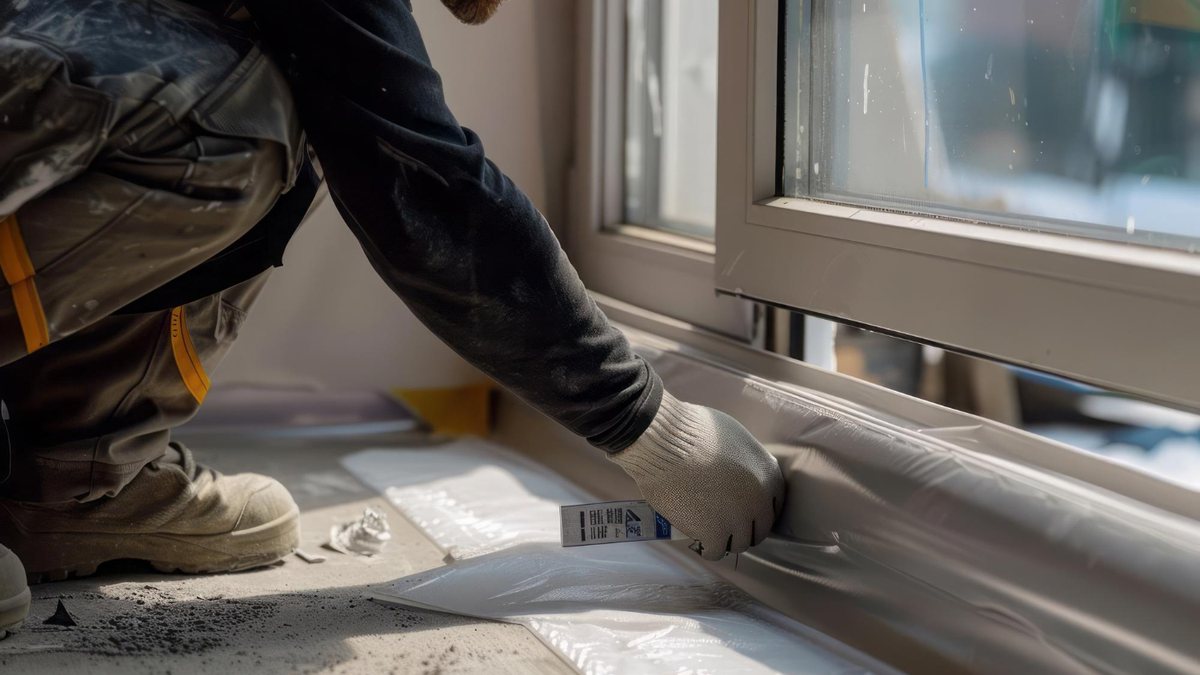
A strong glass specification cannot make up for gaps around a poorly installed frame. Noise can pass through small openings, loose joints, and misaligned sashes. Installation therefore deserves the same attention as glazing when a household is trying to create a quieter room.
This acoustic window installation Malaysia checklist is intended for early comparison. Project requirements vary with the building, exposure, window size, and management rules, so the selected provider should inspect the site and prepare a written scope.
Before the quotation
A useful site survey starts with the noise problem. Explain whether the main issue is traffic, voices, construction, aircraft, or machinery, and when it is most noticeable. The surveyor should inspect the existing opening, surrounding wall, access, water exposure, and other possible sound paths.
Measurements should cover more than the visible glass. The frame opening, wall condition, sill, panel sizes, and operating clearances affect what can be installed. Ask whether the proposal involves full frame replacement, a secondary internal window, or glazing within the existing frame. Each approach has different limits.
Confirm the written specification
The quotation should identify the glass build-up, frame series, opening style, gasket or seal arrangement, hardware, colour, installation method, and finishing work. If an acoustic rating is shown, ask whether it applies to glass alone or a complete tested assembly.
Check safety requirements for low windows, large panels, and doors. Heavier glazing may need stronger frames and hardware. The guide comparing laminated glass and double glazing explains why glass names without thickness and construction details are difficult to compare.
Building and access arrangements
Condominium projects may require management approval, approved working hours, lift protection, contractor registration, and rules about changes to the exterior appearance. Landed homes may need access equipment, protection for landscaping, or temporary weather cover. Clarify these costs before work begins.
Discuss furniture protection, dust control, removal of old frames, glass disposal, and cleaning. Confirm who is responsible if concealed damage is found after removal. A clear process is especially important for bedrooms or occupied homes where openings cannot remain exposed overnight.
Frame alignment and perimeter sealing
The frame should be installed square and supported correctly so moving panels operate smoothly. Locks need to pull casement panels evenly against their seals. Sliding panels should move without rattling and meet correctly at interlocks. Misalignment can create gaps even when the components are new.
The space between frame and wall should be treated as part of the acoustic line. Ask what backing, filler, or sealant will be used and how it suits the joint. Decorative trim is a finish, not automatically an acoustic seal. At the same time, the installer must preserve drainage and protection against rain.
Handover checks
Open, close, and lock every panel. Check that handles move normally, seals make consistent contact, and no panel scrapes or rattles. Inspect internal and external finishing where safely accessible. Ask how tracks, gaskets, drainage paths, and hardware should be cleaned and maintained.
Listen to the room under familiar noise conditions, while remembering that an informal check is not a laboratory measurement. If sound remains strongest at one edge, report it promptly. Our guide to identifying window noise leakage lists the common areas to review.
Warranty and after-sales support
Clarify which warranties cover glass, sealed glazing units, frame finish, hardware, water penetration, and installation workmanship. These may have different periods and exclusions. Ask who handles adjustment if a heavy panel settles or a lock becomes difficult to use.
Keep the quotation, drawings, warranty, care instructions, and final invoice. If a sealed unit later shows moisture between panes, or if perimeter sealant deteriorates, these records will help establish the correct service route.
Judge the complete result
Good installation supports airtightness, safe operation, weather resistance, and the intended acoustic performance. It should also fit daily life. Use the main soundproof windows in Malaysia guide to compare the complete system, then use this checklist to make sure the proposed installation is described as clearly as the product.