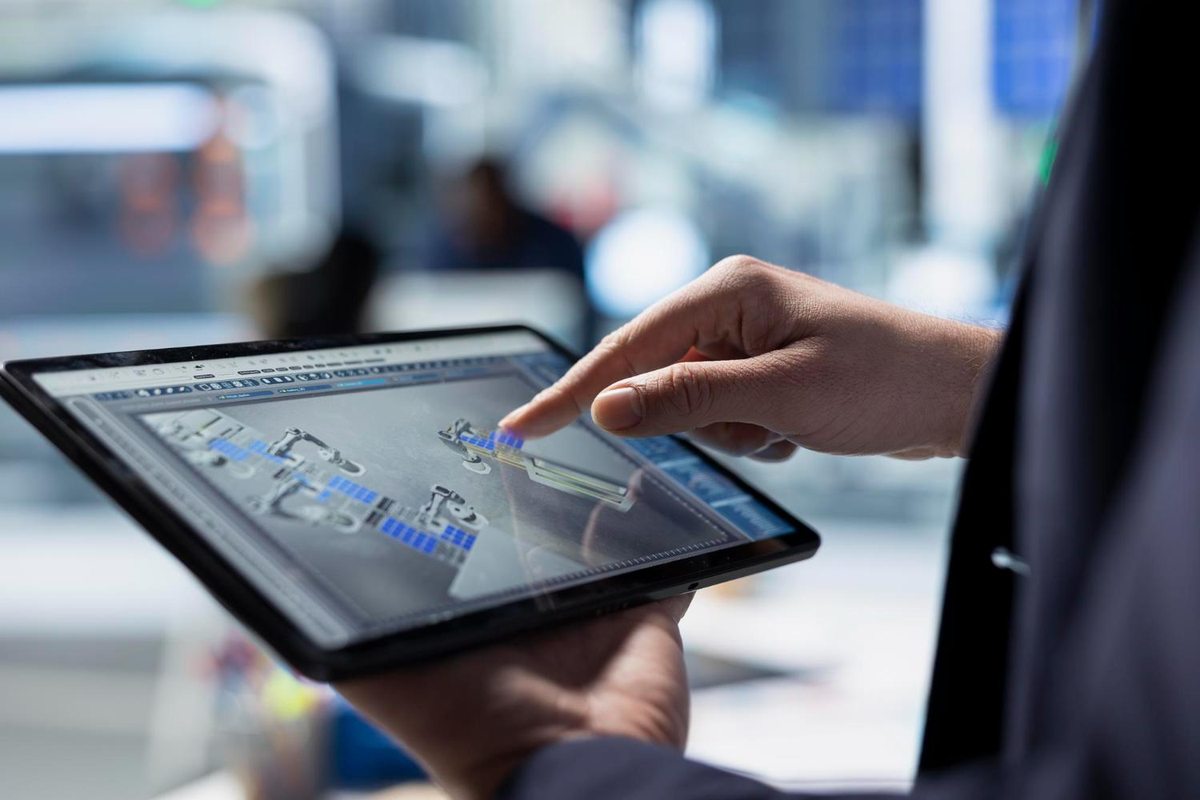
Machine vision integration means fitting a vision system into a real production environment. A camera may capture the image, but the full project also involves lighting, sensors, software, product handling, reject mechanisms, data records, and operator response. If these parts are not planned together, the system may work in a test area but struggle on the production line.
For Malaysian manufacturers comparing a machine vision system, integration is one of the most practical points to review. The question is not only whether the technology can detect a defect. It is whether the line can use the result reliably during normal operation.
Start with the production process
A good project begins by understanding the line. How fast do products move? Are they always in the same position? Is there vibration, dust, reflection, or changing light? Can rejected products be separated safely? Will operators need a dashboard, alarm, image record, or report?
These details affect system design. A high-speed line may need faster triggering and image processing. A reflective part may need special lighting. A process with many product sizes may need flexible recipes or adjustable fixtures.
Software and data flow
Machine vision software turns images into decisions. It may measure, compare, read, detect, or classify visual features. The result may be a pass-fail signal, a measurement, an image record, or a defect report. Some factories only need immediate sorting, while others need data for quality review.
Data should be useful, not overwhelming. Operators need information they can act on. Managers may need trends, counts, and defect categories. A clear reporting setup can help teams improve the process instead of only reacting to failed items.
Operator use and maintenance
A system should be understandable for the people who use it. Operators may need simple controls, clear status messages, and a practical way to handle rejected items. Maintenance teams may need access to cameras, lighting, sensors, and calibration points.
Training should cover normal operation and common issues. For example, operators should know what a failed inspection means, how to respond to repeated rejects, and when to call maintenance. If the system stores images or reports, teams should know where to find that information and how it supports quality review.
Future product changes should also be discussed early. A factory may introduce new labels, sizes, colours, or packaging materials. Some systems can store different inspection recipes, while others may need more adjustment. Understanding this before installation can reduce disruption later.
Integration planning should include acceptance testing. This may involve running the system with normal products, known defective samples, different speeds, and typical operator actions. The goal is to confirm that the system works in the real workflow, not only in a controlled trial. A clear test plan gives both the manufacturer and provider a shared standard for success.
Documentation is useful after handover. Basic notes on recipes, camera positions, lighting settings, and common responses can help teams maintain the system. Good documentation does not need to be complicated; it should help operators and engineers understand what to check when results change.
Integration also connects with factory inspection planning and choosing a vision inspection provider. A provider should be able to explain how the system fits the line, how it will be tested, and what support is needed after setup. The most reliable system is usually the one that matches both the inspection goal and the daily production workflow.