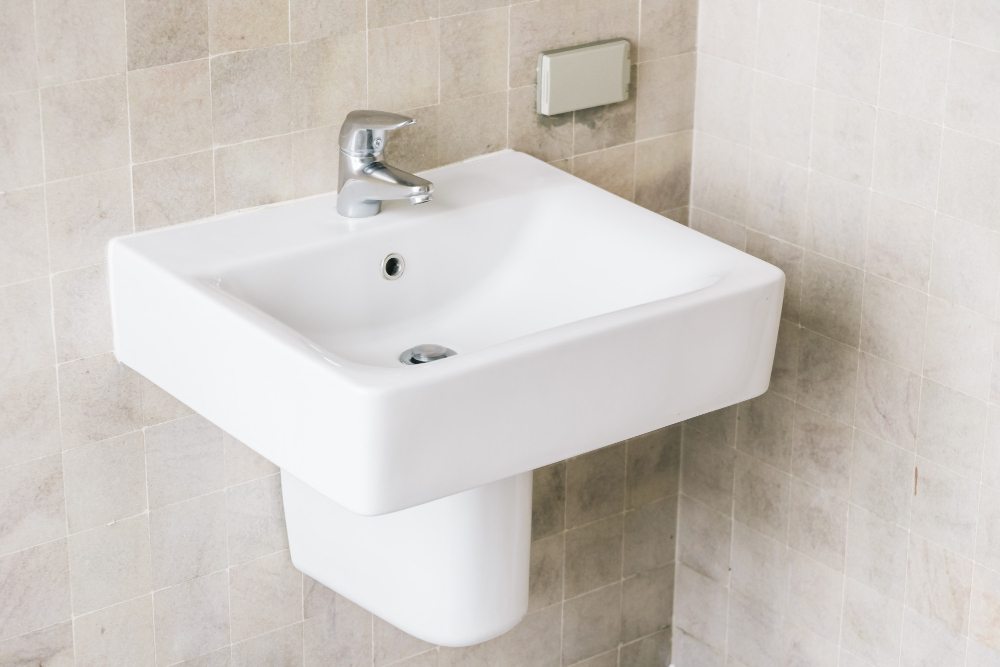
Bathroom basins come in many shapes and installation styles. Some are chosen for a clean modern look, while others are selected because they save space, hide pipework, or make cleaning easier. Knowing the main basin types helps buyers compare products more confidently before visiting a showroom or ordering online.
The right type depends on the bathroom layout, available counter space, plumbing position, cleaning habits, and design preference. A basin that looks attractive in a catalogue may not suit every bathroom, especially if the room is narrow or the tap position is fixed.
Countertop basins
Countertop basins sit above the counter or vanity. They are popular in modern bathrooms because the basin becomes part of the room’s visual style. These basins are available in round, oval, square, rectangular, and artistic shapes. They can make a simple vanity feel more premium without changing the entire bathroom.
One thing to check is height. Because the basin sits on top of the counter, the total height of the vanity and basin should still feel comfortable. The tap also needs to be tall enough or wall-mounted in the right position.
Wall-hung basins
Wall-hung basins are fixed directly to the wall. They can be useful in compact bathrooms because they keep the floor area open. This makes the room feel lighter and may make floor cleaning simpler. Some wall-hung designs are very basic, while others include a more refined shape for modern interiors.
The main trade-off is storage. Without a vanity cabinet below, buyers may need a separate shelf, mirror cabinet, or storage unit. Wall support and plumbing position should also be checked before installation.
Pedestal and semi-pedestal basins
Pedestal basins have a column below the basin. The column helps cover pipework and gives a traditional, complete look. They can suit older homes, simple bathrooms, or spaces where a vanity cabinet is not needed. Semi-pedestal basins cover some pipework while leaving more floor area visible.
These basins are practical, but they do not offer much storage. If the bathroom needs space for toiletries or cleaning items, a vanity basin may be more suitable.
Under-counter and inset basins
Under-counter basins are installed below the counter surface, creating a smooth top that is easy to wipe. Inset basins sit partly into the counter. Both are often used in bathrooms where a neat counter and storage cabinet are important.
These styles require accurate counter cutting and proper installation. The counter material must also be suitable for bathroom moisture and regular cleaning.
Choosing between styles
A simple way to compare basin types is to ask three questions: how much space is available, how much storage is needed, and what style should the bathroom have? Countertop basins suit feature-focused designs. Wall-hung basins suit compact spaces. Pedestal basins suit straightforward bathrooms. Under-counter basins suit neat vanity layouts.
It is also worth thinking about future maintenance. A basin that requires special counter cutting or wall support may be harder to change later than a simpler replacement basin. For rental units, offices, or frequently used washrooms, easy replacement and straightforward cleaning may be more valuable than a dramatic design.
For renovation projects, buyers should check whether the existing plumbing limits the basin type. If pipe positions cannot be changed easily, some styles may be more practical than others.
If you are comparing installation choices, the guide to countertop vs wall-hung basins explains two common styles in more detail, while basin materials and finishes can help match the basin type to cleaning needs and design preference.
For a broader buying overview, read this guide to basins in Malaysia, which explains basin sizes, materials, finishes, and practical selection points for local buyers.
Different basin types can all work well when matched to the right room. The best choice is usually the one that fits the space, supports daily use, and still matches the design direction of the bathroom.