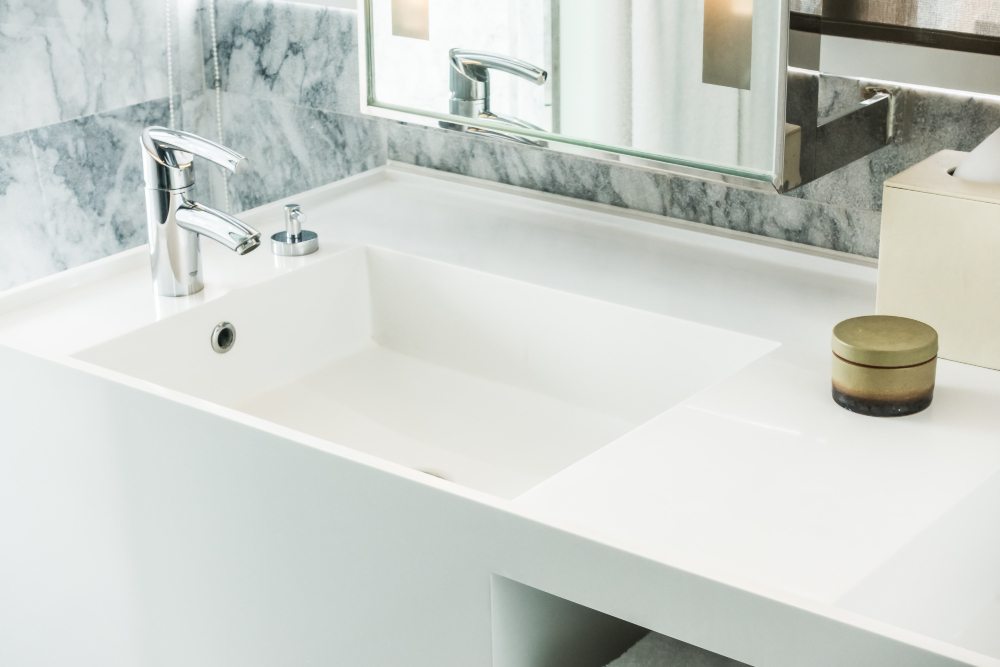
Basin size affects more than appearance. A basin that is too large can make a bathroom feel crowded, while one that is too small may splash water or feel uncomfortable. The right size depends on the room layout, available counter space, user habits, tap position, and whether the basin is for a main bathroom, guest bathroom, commercial washroom, or compact powder room.
Before choosing a design, it is worth measuring the space carefully. Buyers should look at width, depth, counter height, wall clearance, door swing, mirror position, and the distance from nearby fittings. A few extra minutes of measuring can prevent awkward installation problems later.
Start with the bathroom layout
In a small bathroom, a compact basin can help preserve movement space. Wall-hung basins, corner basins, or smaller countertop designs may work better than wide vanity basins. In a larger bathroom, a wider basin can look more balanced, especially when paired with a long vanity, large mirror, or generous countertop.
The basin should not block access to the toilet, shower, cabinet, or doorway. It should also leave enough elbow room for comfortable use. If two people may use the bathroom at the same time, a wider basin area or double-basin layout may be worth considering.
Check depth and splash control
Width is only one part of sizing. Basin depth matters too. A very shallow basin may look sleek, but it may splash more if paired with a strong tap flow. A deeper basin can feel more practical for daily washing, but it may look heavier in a small space.
The tap and basin should work together. The water should fall comfortably into the bowl without hitting the edge too strongly. If the tap is too tall, too short, or badly positioned, even a good basin can become inconvenient.
Think about counter and storage space
For vanity basins, the basin size affects how much counter space remains. Some buyers want room for soap, skincare, toothbrush holders, or small decorative items. Others prefer a simple counter with very little on it. A large countertop basin can reduce usable counter area, while an under-counter basin can leave the surface feeling more open.
Storage below the basin should also be considered. Plumbing may take up cabinet space, and some basin styles require more room below the counter. If storage is important, check the vanity design together with the basin, not separately.
Match size with user needs
A family bathroom may need a durable, comfortable basin that handles frequent use. A guest bathroom may allow for a smaller or more decorative design. A commercial washroom may require a basin that is easy to clean and suitable for repeated use throughout the day.
Height should be considered together with basin size. A tall countertop basin on a high vanity may look elegant, but it can feel uncomfortable if the rim sits too high. The most attractive option is not always the most usable one.
Children, elderly users, or shared household routines can also affect the decision. Height and reach should feel natural, especially if the basin is used many times a day.
Review before buying
Before finalizing a basin, compare the product dimensions with the actual bathroom measurements. Check the tap hole, waste outlet, wall clearance, and installation type. If possible, view the basin in person or review detailed product photos from different angles.
If a vanity cabinet is involved, confirm that drawers and doors can still open properly after the basin and plumbing are installed. This detail is easy to miss during planning.
Size decisions become easier when paired with style decisions. The guide to bathroom basin types explains how each installation style uses space, while designer basins shows how shape and visual impact can affect the final choice.
For a wider overview of style and buying factors, read this guide to basins in Malaysia, which covers basin types, materials, finishes, and selection tips.
The best basin size is one that looks right without making the bathroom harder to use. When measurement, comfort, and style are considered together, the final choice is usually much easier.