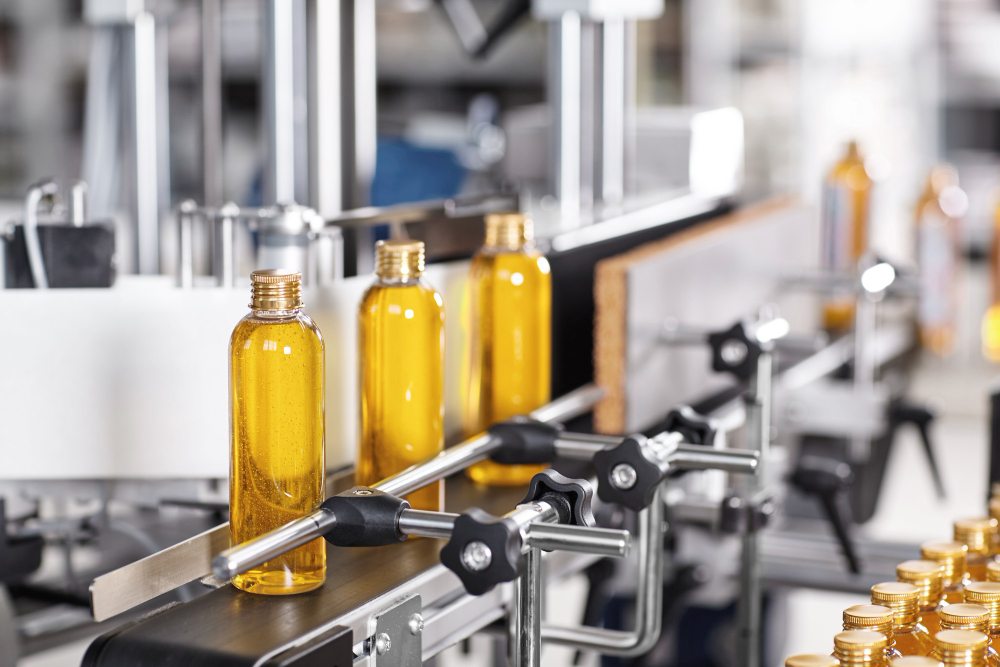
Packaging is often the final thing a customer sees before using a product. It carries the brand, product information, safety details, barcodes, batch numbers, and instructions. Because packaging is so visible, errors can create customer complaints even when the product itself is acceptable. A missing label, poor print, wrong code, or loose cap can make a product look unreliable.
Automated packaging inspection systems help manufacturers check these details while products move through the production line. Cameras and software can inspect whether packaging elements are present, correctly positioned, and readable. The system can also help identify defects quickly, allowing the line team to remove affected items or adjust the process.
What packaging inspection can check
Common inspection tasks include checking label placement, cap presence, seal condition, barcode readability, printed code position, product level, closure colour, and container shape. In some cases, the system may confirm that a box, bottle, tube, pouch, or container matches the expected size and appearance.
These checks are important because packaging lines can run quickly. A small issue can affect many units before a person notices it. Automated inspection helps create a consistent checkpoint, especially when the same package detail must be confirmed across a large batch.
How it compares with manual review
Manual review is still useful for sampling, troubleshooting, and overall presentation checks. People can notice context and make judgement calls that are difficult to define as a rule. However, routine packaging checks are often repetitive. A person may need to look for the same label position or printed code for hours, which can lead to missed defects.
Automated systems are stronger when the inspection requirement is clear. For example, a barcode must be present, a cap must be in place, or a date code must appear in the correct area. Once the rule is defined, the system can apply it repeatedly and consistently.
Benefits for manufacturers
Packaging inspection can reduce rejected shipments, rework, customer complaints, and product recalls caused by visible packaging mistakes. It can also help production teams detect process problems earlier. If labels begin shifting out of position, the system can reveal the issue before a large quantity is affected.
This matters for both consumer products and industrial goods. A readable code, correct label, or secure closure may support traceability, shelf presentation, shipping accuracy, and customer safety. Even small packaging errors can create extra handling work for distributors, retailers, or end users.
Inspection data can be valuable as well. Teams may learn whether certain defects happen more often during startup, after material changes, or at specific speeds. This information can support better maintenance planning, operator training, and supplier review.
Planning the right setup
Before installing a packaging inspection system, manufacturers should list the exact items to check. They should consider product speed, packaging material, lighting conditions, product variation, and how rejected products should be handled. A good system should fit the line without slowing it unnecessarily.
Operators should also know what action to take when repeated packaging defects appear during a production run.
It is also useful to test the system with real packaging samples. Acceptable products, common defects, and borderline cases can help confirm whether the inspection rules are practical. This testing stage helps avoid false rejects and missed defects.
Packaging teams may also compare quality control automation for wider production monitoring and vision inspection provider selection for project planning and testing.
For manufacturers evaluating visual inspection options, this overview of an automated vision inspection system explains how camera-and-software inspection can support quality assurance and production consistency.
Packaging inspection is not only about appearance. It supports clear product information, customer confidence, and smoother production control. When planned well, automated inspection gives manufacturers a practical way to protect both product quality and brand presentation.